Top Design Techniques for Dental Clinics
As a dental clinic designer, crafting a top-tier clinic is key. Below are the core design strategies we have distilled for you:
The Three Core Souls of Dental Clinic Design
As a designer specializing in dental clinics, our goal extends far beyond mere “renovation.” We are building an ecosystem that simultaneously alleviates anxiety, enhances efficiency, and showcases the brand. A successful design must deeply integrate keywords from the following three dimensions:
Dimension 1: Patient Experience—Keywords: Trust, Calm, Sense of Control
This is the primary task of design, aiming to transform patients’ “fear” into “trust.”
Design Implementation:
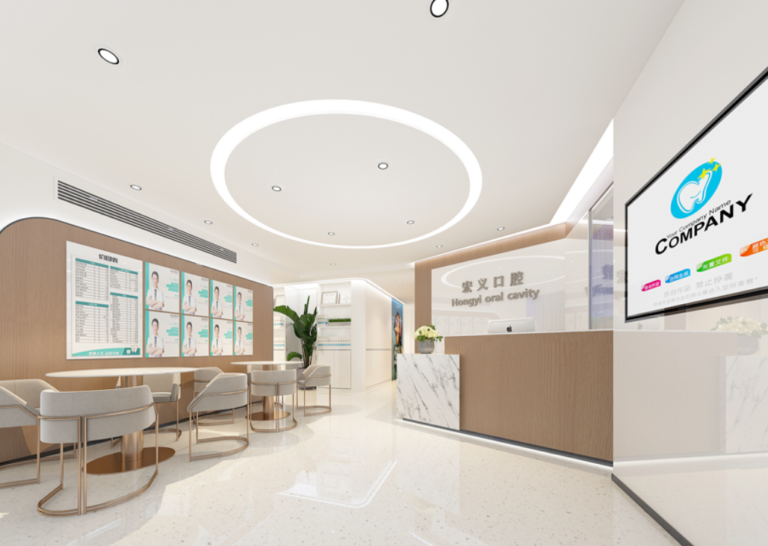
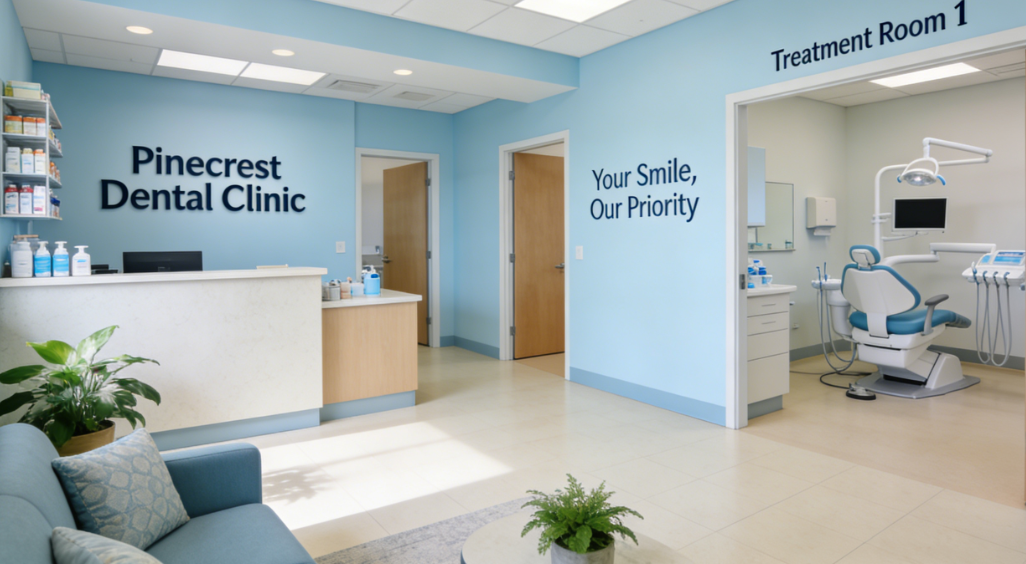
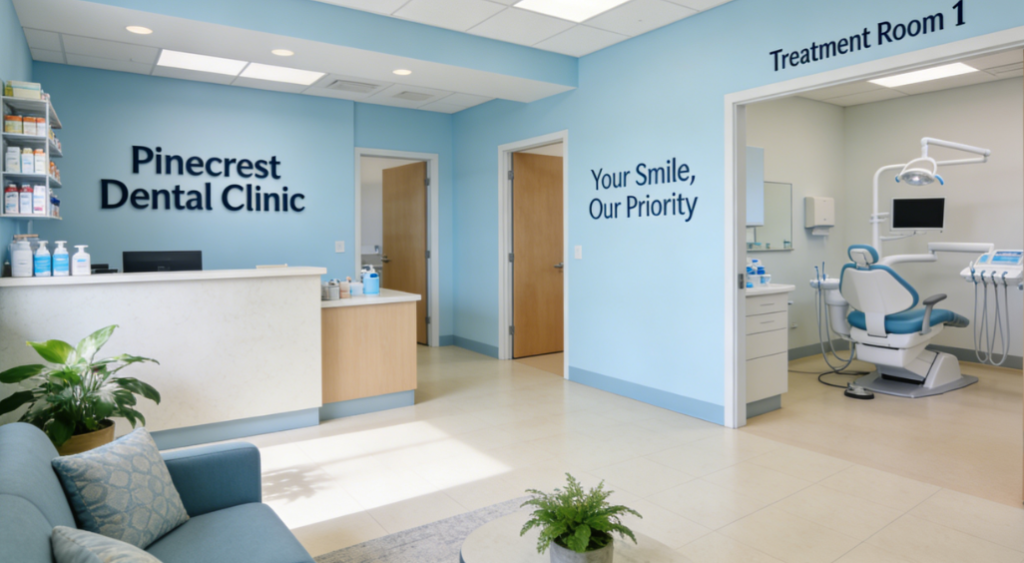
- Sensory Softening: Replace cold, traditional clinic impressions with warm wood, soft fabrics, and biophilic greenery. Introduce layered indirect lighting and professional acoustic treatment to create a serene, spa-like atmosphere.
- Privacy and Dignity: Ensure each treatment room is a sound-insulated “privacy bubble” with solid walls, strictly adhering to medical privacy standards to give patients an absolute sense of security.
- Transparent Communication: Use digital screens in consultation areas for visual treatment explanations and designate clear educational display areas in the design to reflect professionalism and transparency, thereby reinforcing trust.
Dimension 2: Medical Efficiency—Keywords: Workflow, Sterility, Ergonomics
The clinic is the “operating room” for dentists, and its design must serve as an efficient “productivity tool.”
Design Implementation:
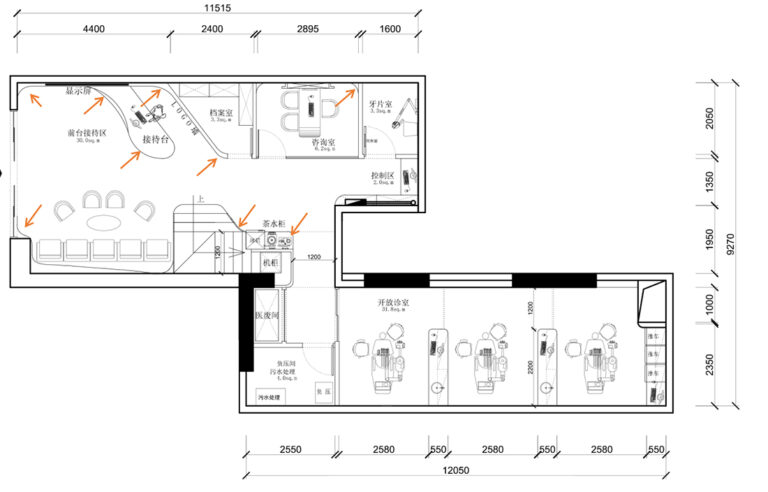
- Seamless Workflow: Plan a clear one-way flow (reception → waiting → treatment → follow-up), strictly separating clean and contaminated areas, particularly through centralized management of sterilization and supply, ensuring absolute compliance with infection control.
- Dentist-Centric Design: Optimize each treatment unit around “four-handed dentistry.” Follow ergonomic principles to integrate equipment, instruments, screens, and assistant stations into a cohesive design, allowing dentists easy access and reducing fatigue and unnecessary movement.
- Smart Support: Pre-wire ample electrical, low-voltage, and pneumatic conduits to seamlessly integrate digital devices (e.g., intraoral scanners, CBCT), laying the foundation for future-ready digital dentistry.
Dimension 3: Brand Narrative—Keywords: Distinctiveness, Community, Professionalism
The space serves as the silent ambassador of the brand, telling the clinic’s unique story and aspirations.
Design Implementation:
- Visual Symbols: Transform the clinic’s logo, color scheme, and core values into iconic spatial elements. Examples include a feature wall at the reception desk, custom-designed light fixtures, or a cohesive color theme to create strong visual distinctiveness.
- Local Connection: Incorporate local art, culture, or natural elements (e.g., works by local artists, regional colors) to make the clinic an integral part of the community rather than a冷漠 medical outpost.
- Value Demonstration: Through material selection, attention to detail, and the overall spatial ambiance, implicitly convey a brand positioning of high-end, professional, and rigorous standards.
The Designer’s Role: The Systems Integrator
As dental clinic designers, our core value lies in systems integration. We do not simply choose tiles and wall paint; rather:
- Translate Needs: Convert clinical workflows into spatial language.
- Balance Regulations: Find the perfect balance between strict medical regulations (e.g., ADA accessibility, OSHA, HIPAA) and aesthetic aspirations.
- Anticipate the Future: Allow flexibility for technological upgrades and practice expansion.
Ultimately, a top-tier dental clinic design is a comprehensive masterpiece that makes patients feel as comfortable as guests, allows medical staff to work with effortless efficiency, and leaves a lasting impression of its unique character. It further lays the foundation for a successful medical enterprise.