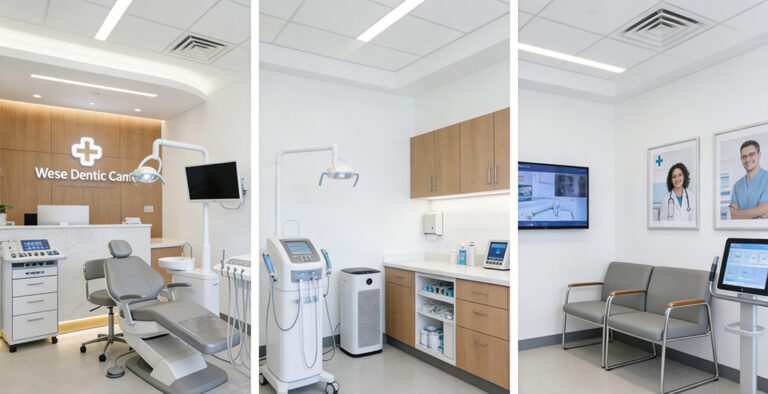
Dental Clinic Design Proposal
A Tailored Guide for Your Dental Practice Design
Hey there! If you’re thinking about opening or designing a dental practice in the U.S., this guide will help you create a space that’s both professional and super comfortable for your patients. We’ll also toss in some tips on cultural differences to help you better understand what local patients expect.
Step One: Know Who You’re Serving
The key to success starts with getting clear on your target patients. Are you focusing on kids, families, or a more upscale adult clientele? This choice will drive all your other decisions. American patients really care about experience and privacy, so your design should focus on two main things: ultimate patient comfort and super-efficient workflows.
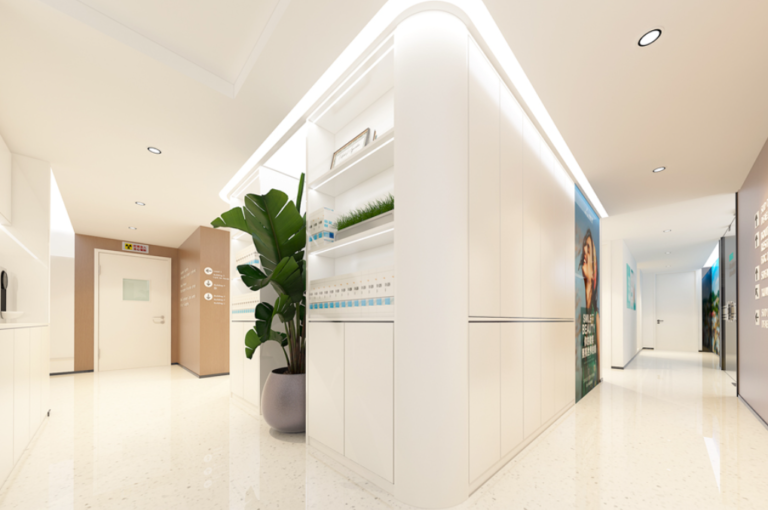
Modern dental offices have moved way beyond cold, intimidating spaces. The goal now is a warm, human-friendly environment. Your clinic should make people think as soon as they walk in: “This place is professional, trustworthy, and relaxing.”
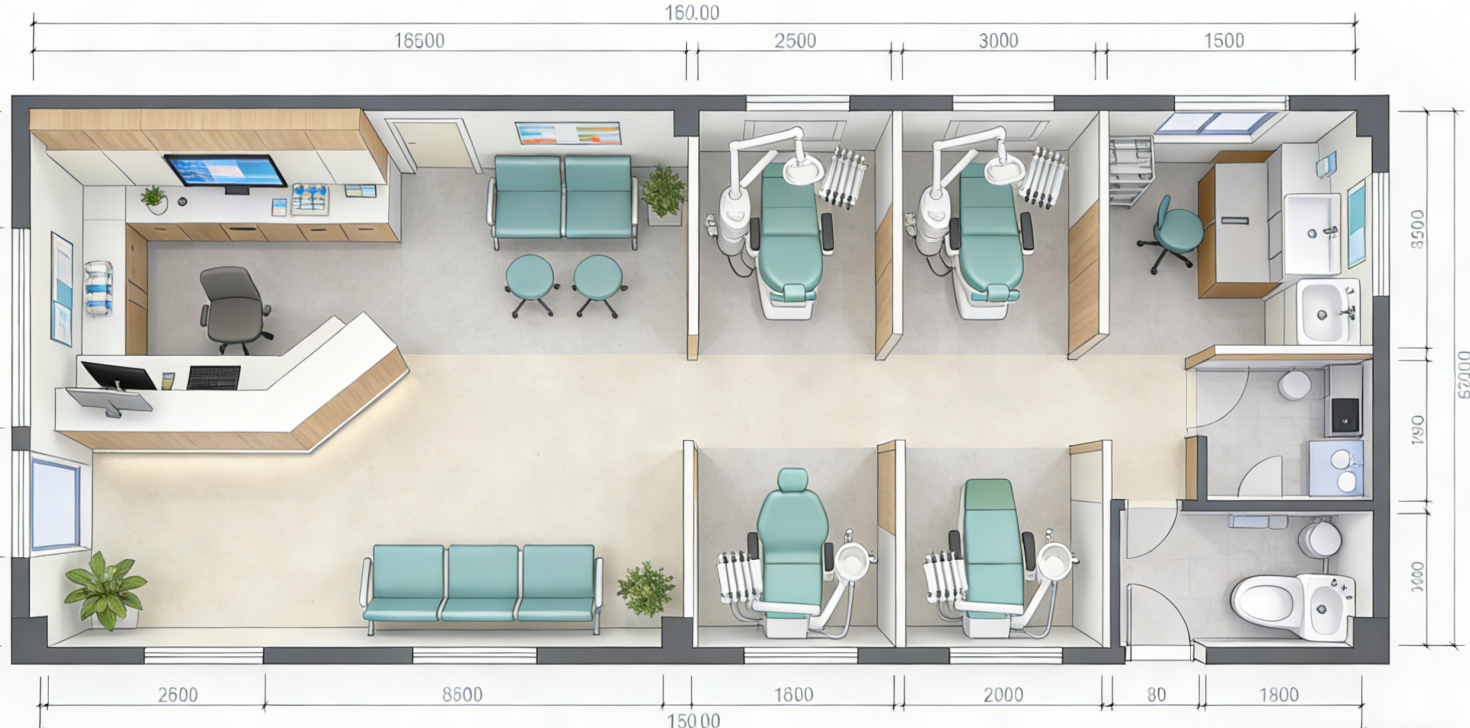
Smart Layout: Breaking Down the Three Key Areas
1. The Reception & Waiting Area: Making a Great First Impression
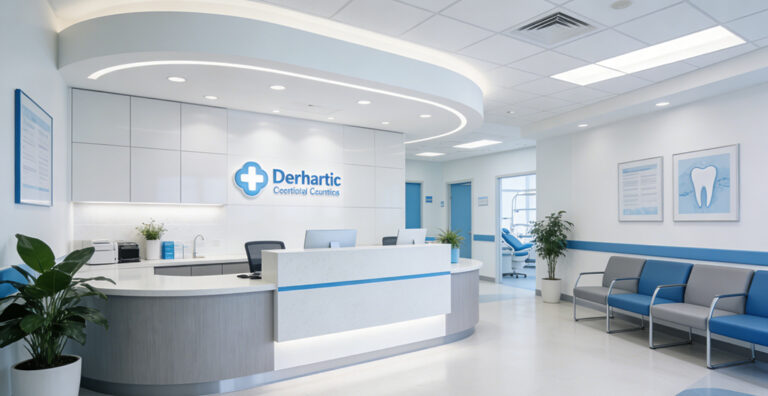
This area should be about 15-20% of your total space. It’s where you build trust from the get-go.
- Design Pointers: Go for an open or semi-open design and let in as much natural light as possible.
- Must-Haves:
- Reception Desk: Place it so the front desk staff has a clear view of the entire waiting area.
- Comfy Seating: Individual chairs should be at least 26 inches wide (about 65 cm).
- Kids’ Corner: Set up a safe area with toys and books. This is super common and appreciated in the U.S.
- Information Wall: Display dentist credentials, treatment cases (with patient consent), and oral health info.
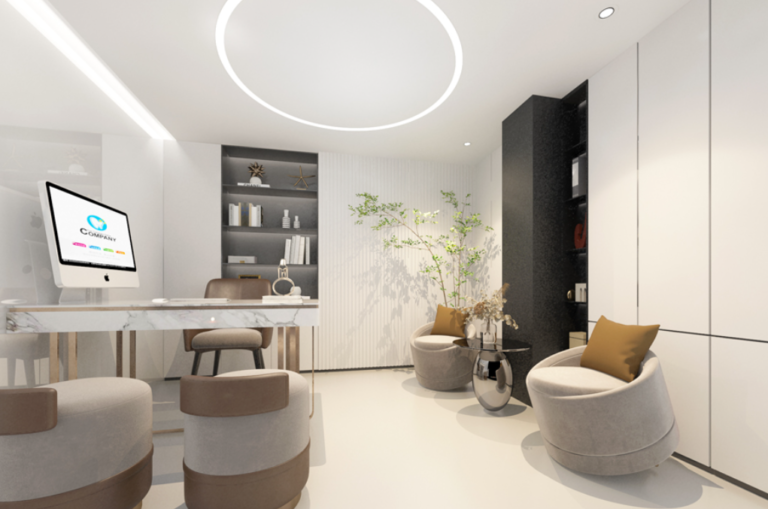
- Private Consultation Room: Used for the first chat and treatment plan discussions. This protects patient privacy.
- Pro Tips:
- Separate Entry & Exit: Designate different doors for patients coming in and going out. It’s more hygienic and prevents crowding.
- Color Psychology: Use calming colors like light blue or light green.
- Background Music: Keep the volume below 40 decibels to set a relaxed mood.
2. The Treatment Area: The Heart of Your Practice
This is the core of your clinic and should take up 50-60% of the space.
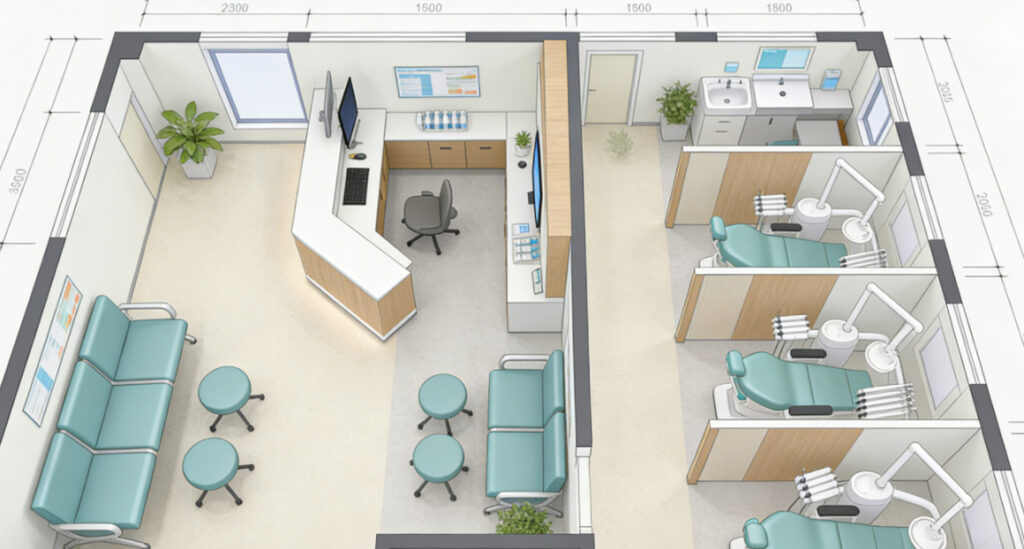
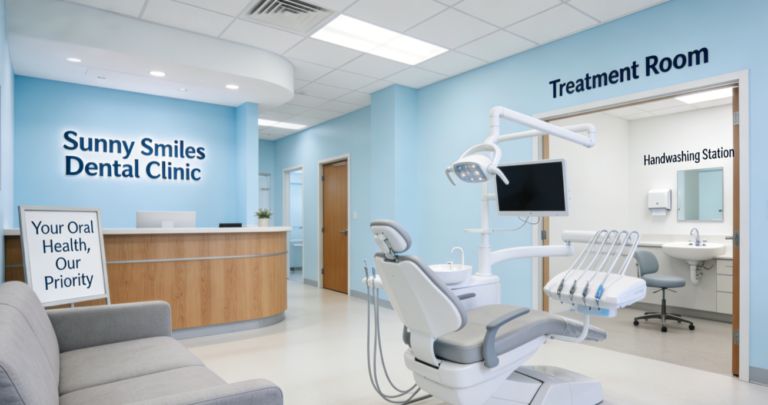
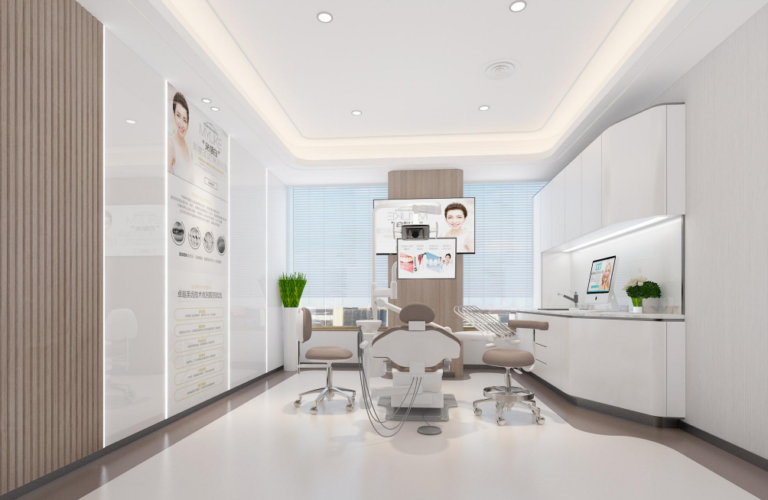
- Individual Treatment Rooms:
- Aim for 130-160 square feet per room (about 12-15 sq m).
- Use a “Three-Zone Layout”: Doctor’s zone, Assistant’s zone, and Patient’s zone. This keeps things organized.
- Soundproofing is Key: Make sure rooms are well soundproofed (sound insulation ≥40 dB). This protects patient privacy and reduces anxiety from hearing dental drill sounds.
- Equipment & Layout:
- “Work Triangle” Principle: Arrange the patient’s head, the dentist, and the assistant in the most efficient setup.
- Managing Cables & Tubes: Use overhead delivery systems (dental carts/arms). This avoids messy floor cables and is safer and easier to clean.
- Plenty of Room: Leave at least 35 inches (about 90 cm) of clear space around the dental chair.
- Infection Control:
- Clearly separate clean and contaminated zones.
- Every treatment room must have its own sink.
- Set up a dedicated instrument cleaning/disinfection room that strictly follows regulations from agencies like OSHA.
3. Support Areas: The Essential Backstage
Often overlooked but super important, these should make up 25-30% of your space.
- X-Ray Room: Walls must include lead shielding or similar materials for radiation protection. Follow all safety codes strictly.
- Sterilization Room: Design it with a “one-way workflow.” Instruments should move from dirty to clean in one direction without crossing paths.
- Staff Break Room: A happy team provides better service.
- Ample Storage: A well-organized, plentiful storage system can seriously boost daily efficiency.
Human-Centered Details for a Better Experience
- Reducing Patient Anxiety:
- Put calming images or a virtual sky scene on the ceiling above the dental chair.
- Offer thoughtful items like blankets and protective eyewear.
- For kids’ rooms, use fun themes like underwater or forest adventures.
- Accessible Design (ADA Considerations):
- Keep main pathways at least 60 inches wide (about 150 cm) for easy wheelchair access.
- Use lever-style door handles instead of round knobs—they’re easier for everyone.
- Install handrails in key spots.
- Improving the Sensory Experience:
- Use LED shadowless lights to reduce harsh shadows and glare.
- Pair background music with a good soundproofing system.
- Use air purifiers to minimize any clinical odors.
- Maintain a comfortable room temperature between 72-75°F (about 22-24°C).
Materials, Colors & Technology
- Floors: Waiting area – PVC or rubber flooring (quiet & comfy). Treatment area – epoxy resin flooring (seamless, easy-to-clean, antibacterial). Hallways – anti-slip tiles.
- Walls: Use antimicrobial paint or wall panels. Stick to calming cool tones like blues and greens as the main colors, with warm tones as accents.
- Lighting System: Combine ambient lighting (overall, even light), task lighting (bright, focused light for treatment areas), and accent lighting (for atmosphere).
- Tech Integration: Digital X-ray systems (less patient movement), online booking/reminder systems, display screens next to the chair (for easy communication), and planning for potential teledentistry setups.
Budget Planning Tips (For a mid-size practice: 3,200-5,400 sq ft)
- Construction & Renovation: 40-45%
- Medical Equipment: 35-40%
- Furniture & Decor: 10-12%
- Technology Systems: 5-8%
- Contingency Fund: 3-5%
Common Mistakes to Avoid
- Focusing Too Much on Luxury: Your biggest investments should be in top-quality medical equipment and strict infection control.
- Skipping on Storage: A good storage system can improve workflow efficiency by up to 30%.
- Poor Lighting: Dim lighting in treatment areas directly affects the quality of care.
- Bad Soundproofing: The sound of the dental drill is a major source of patient anxiety.
- Poor Traffic Flow: The paths for patients, staff, and medical waste should be clearly separated and not cross.
Final Word of Advice
A successful dental clinic design is a mix of art and science. In the U.S., it’s highly recommended to work with a professional team experienced in healthcare design and to involve practicing dentists in the planning. This ensures your clinic isn’t just good-looking, but also highly functional. It’ll become a trusted, welcoming place that patients love and are happy to recommend.
Best of luck with your dental practice in the U.S.!
Content Recommendations
Dental clinic design concept: Create a professional oral space